Guide · 7 minute read
Vase shapes: which flowers go in each vase
Every vase shape has its own flowers. Find out what to put in a tall, round, narrow or wide-mouthed vase.
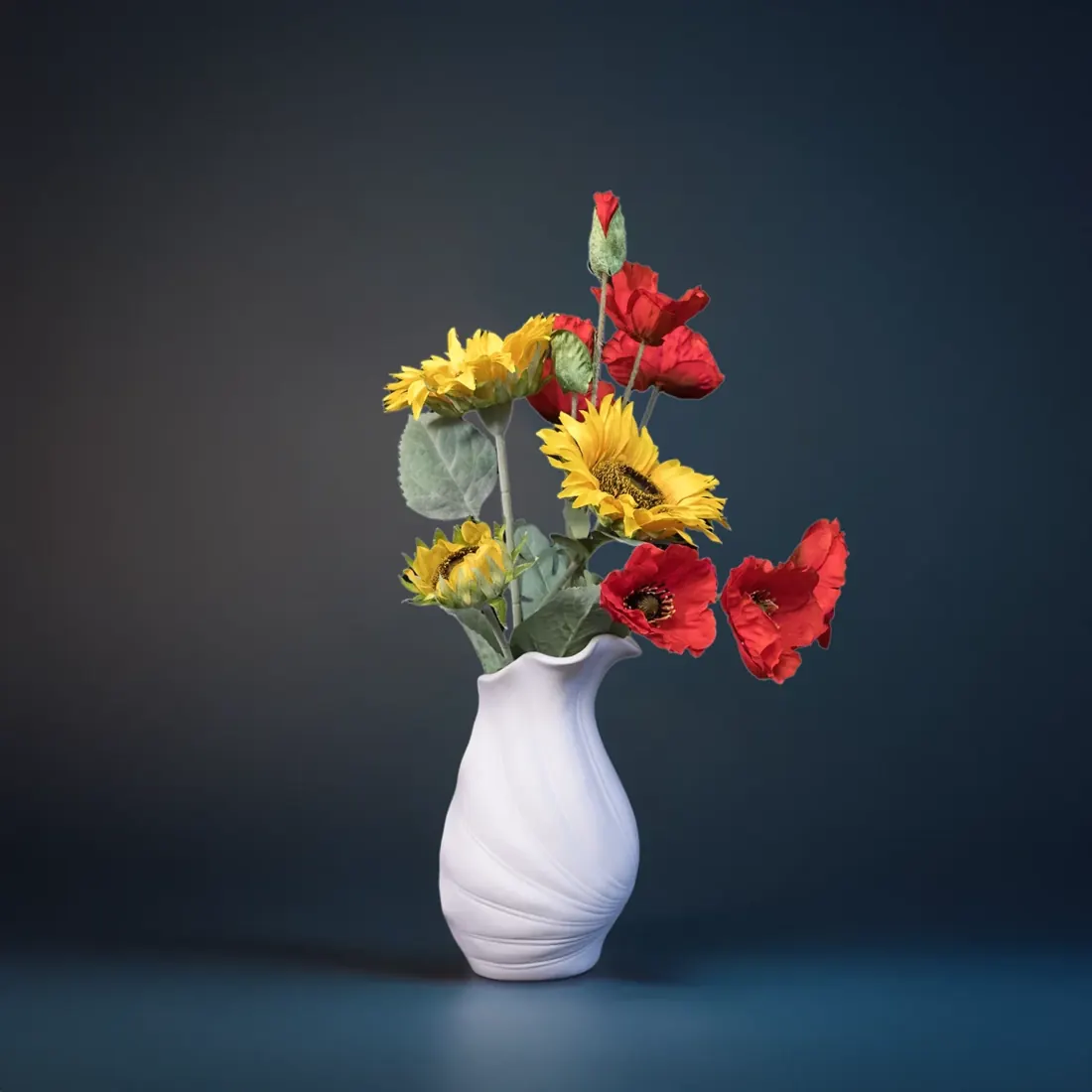
Brought a bouquet home and not sure which vase to put it in? The shape of the vase is the answer. Vase shapes aren't just a matter of style: the mouth, the height and the silhouette decide how the flowers sit, how upright, how wide, how free. Below you'll find each shape, with the flowers that love it.
Why the shape of the vase matters
Flowers rest on a vase at three points: the bottom, the sides and the rim. If the mouth is too wide, the stems fall towards the edges and the bouquet comes apart. If it's too narrow, the stems get crowded and the flowers have no air.
The right shape does half the arranging for you. You just put the flowers in, and the vase settles them.
Wide-mouthed vs narrow-mouthed vase
This is the first question to ask yourself.
Wide mouth (opening over 10 cm):
- takes full bouquets with many stems;
- suits flowers with thick stems and heavy heads, like hydrangeas and peonies;
- lets the flowers fan out, like a bouquet just brought home from the florist.
Narrow mouth (opening under 5 cm):
- holds one, two or three stems, straight and clean;
- shows off a single flower: a rose, a tulip, a sprig of eucalyptus;
- is perfect for minimalist arrangements and the Japanese style, where every line counts.
In between are vases with a medium mouth, 5-10 cm, the most versatile. They take a small bouquet or a few long stems.
A trick for wide mouths: if your bouquet is small and the flowers keep falling, stick a few strips of clear tape across the mouth of the vase in a grid. Each stem gets its own spot and stands upright.
Vase shapes and their flowers
The cylinder vase
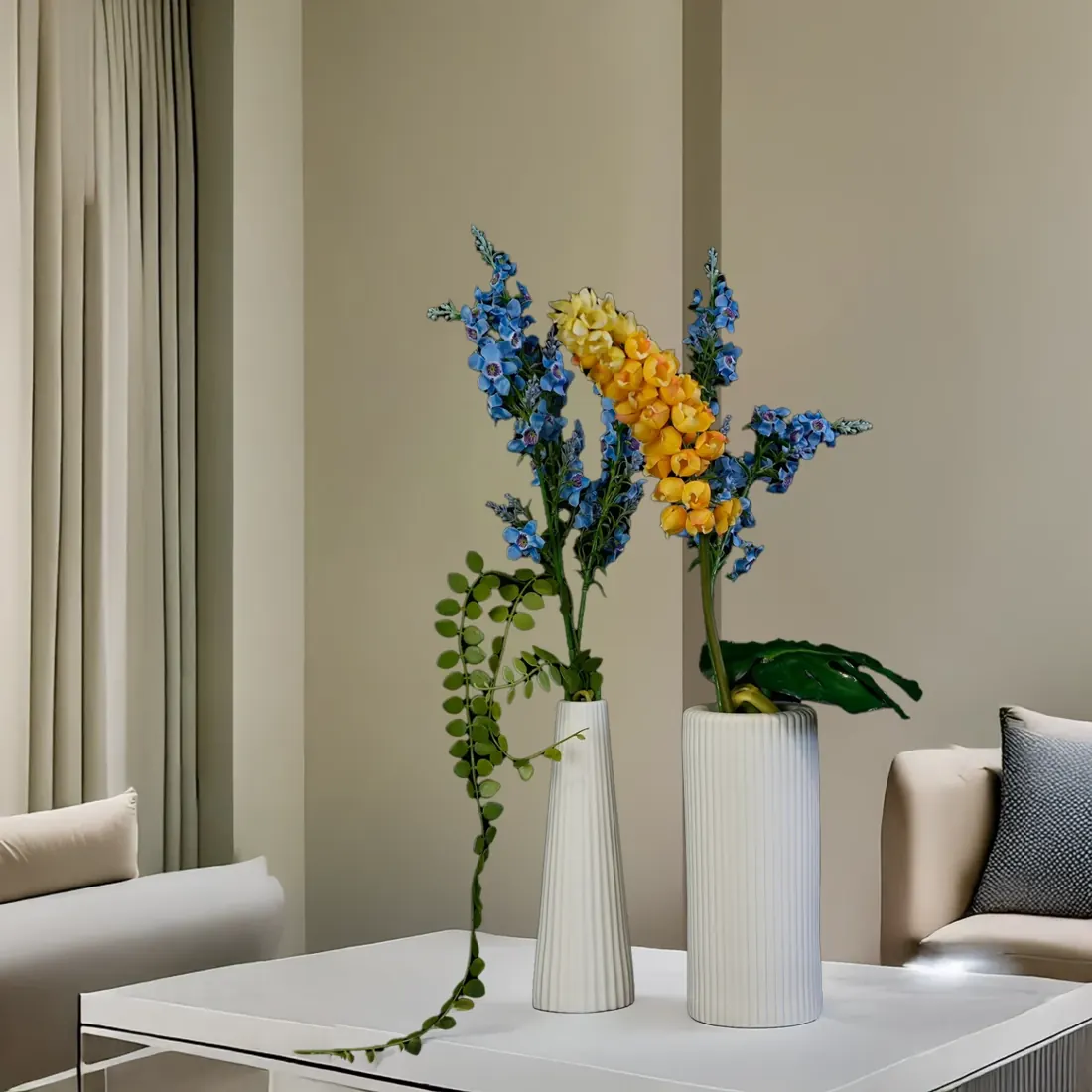
Straight sides from top to bottom. It's the simplest shape and the most forgiving. It holds long, straight stems without letting them fall.
Which flowers: tulips, gladioli, lilies, long-stemmed roses, eucalyptus branches.
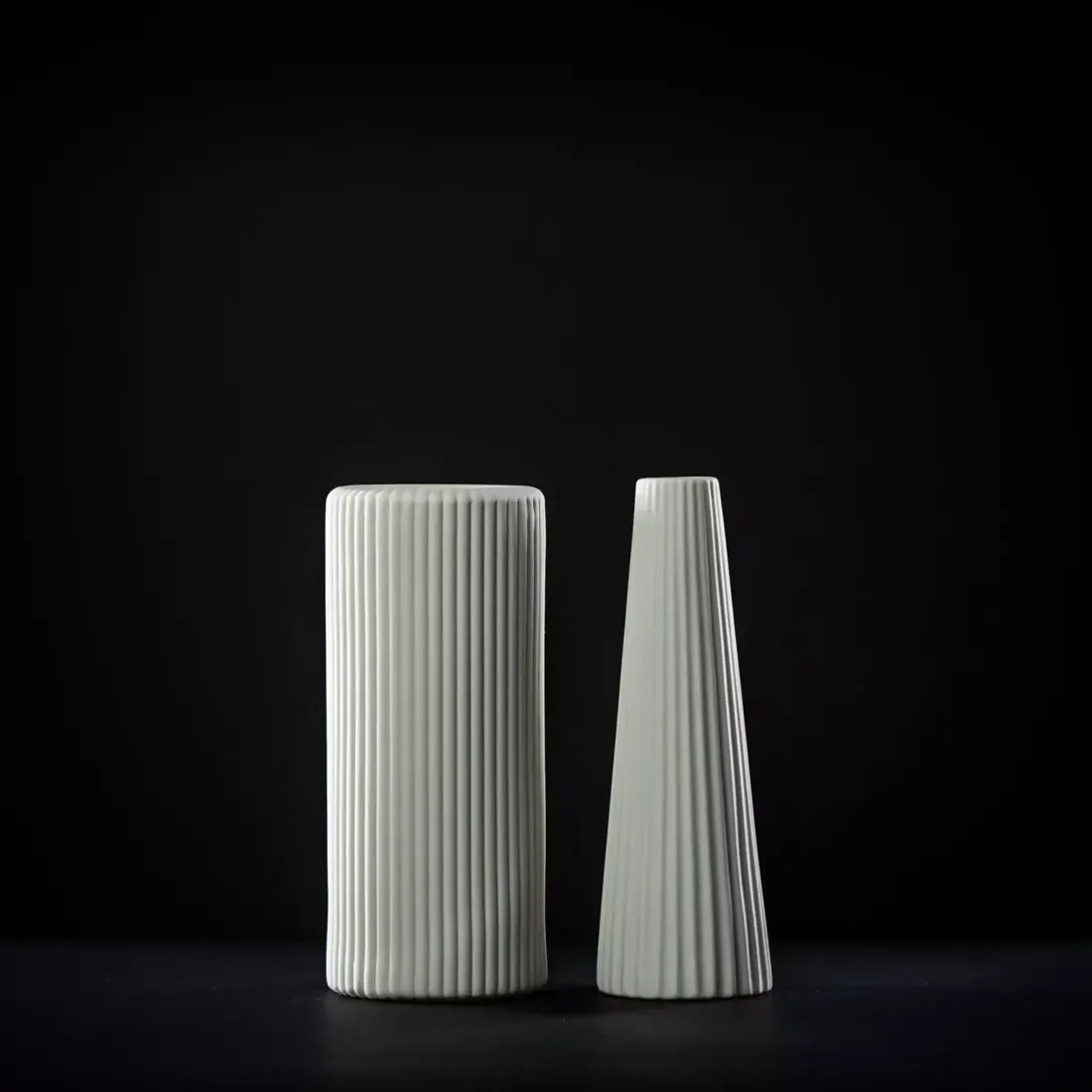
Tulips are its best friends. They keep growing after they're cut and turn towards the light, so the straight sides of the vase keep them in check. The Calliope set has two white cylinder vases with fine raised lines, with openings of 3 and 5.5 cm, suited to a few chosen stems.
The round, bulbous vase
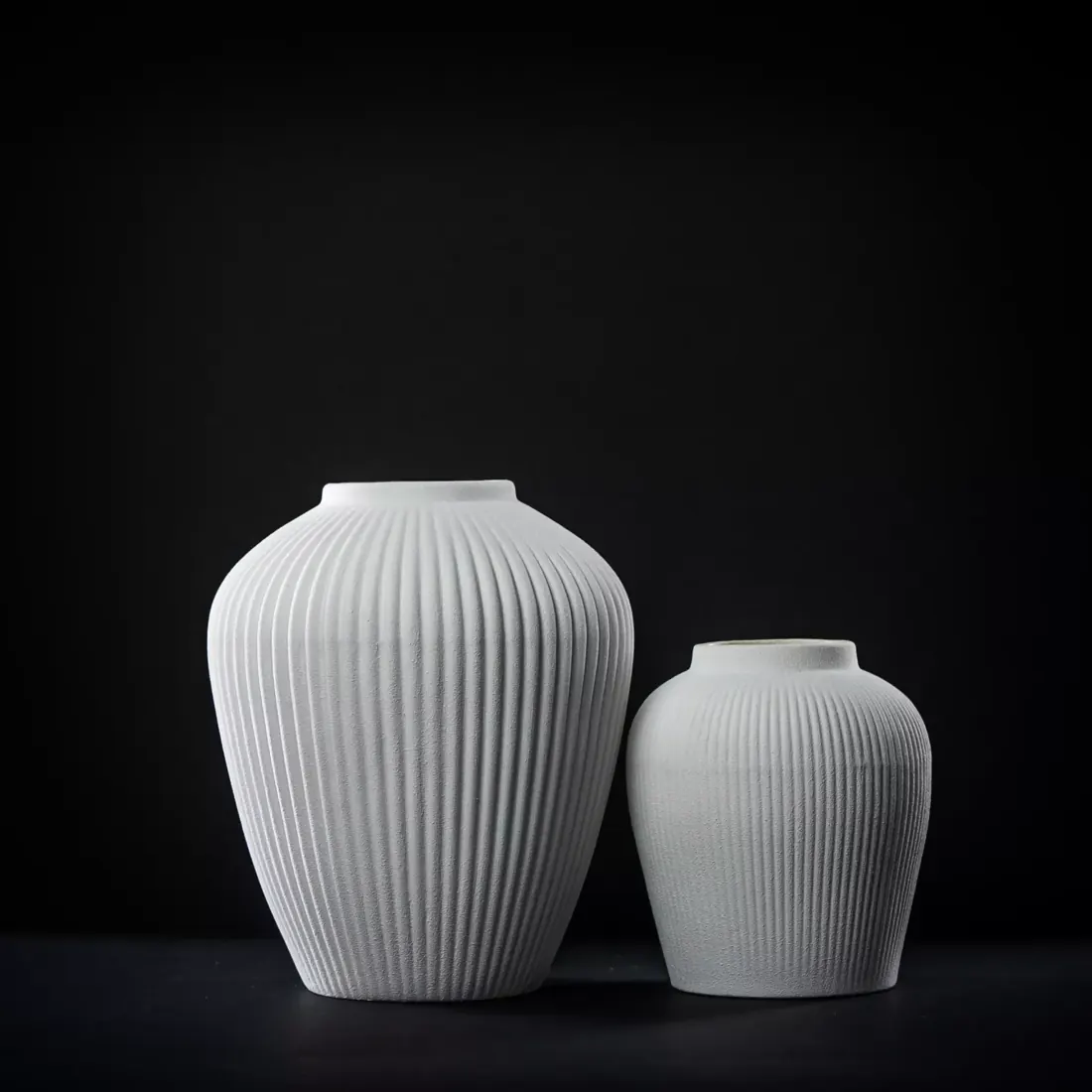
A full body, round shoulders, a short neck. It's the classic jug shape, warm and generous.
Which flowers: peonies, hydrangeas, garden roses, round, dense bouquets.
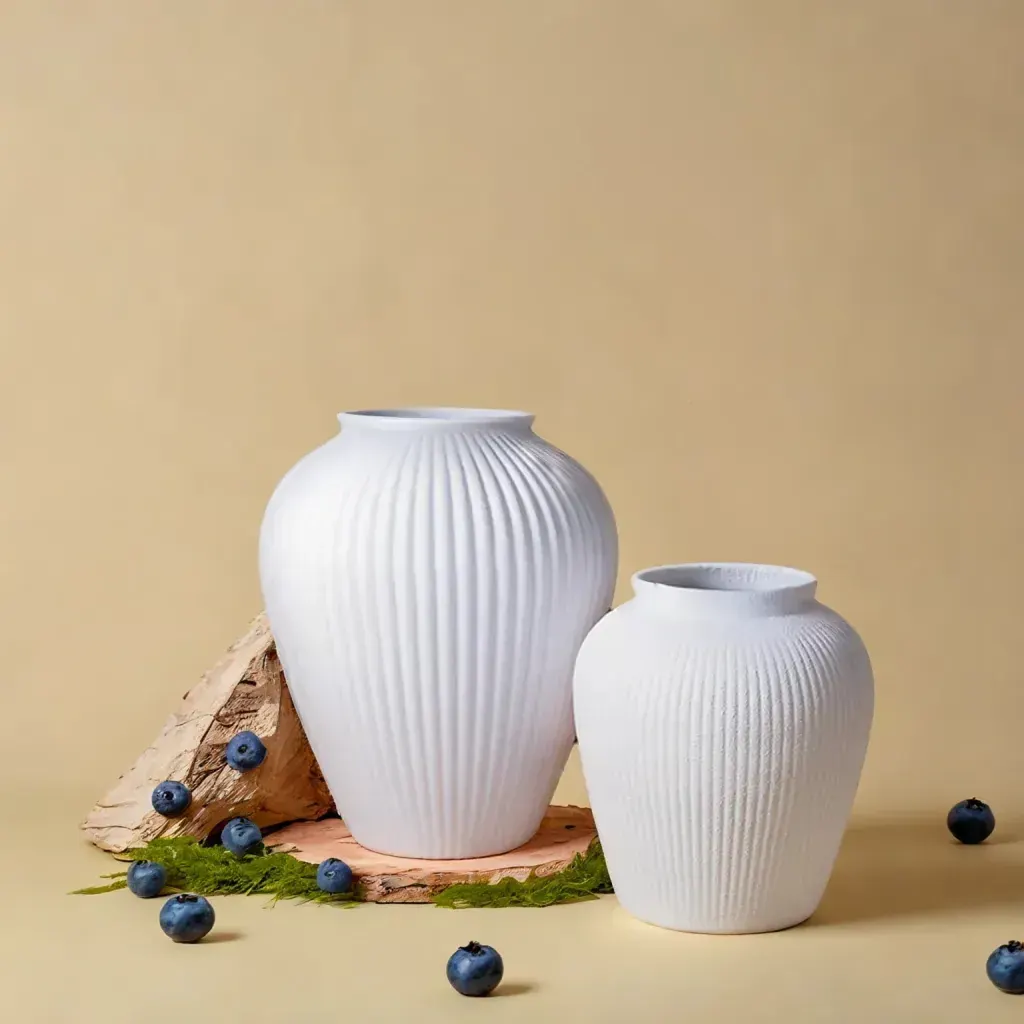
The wide body holds plenty of water, and big flowers drink a lot. Hydrangeas especially need plenty of water. The Summer Wedding set has two rounded vases with a fine ribbed texture, 23.5 and 16 cm tall, suited to both fresh flowers and artificial arrangements.
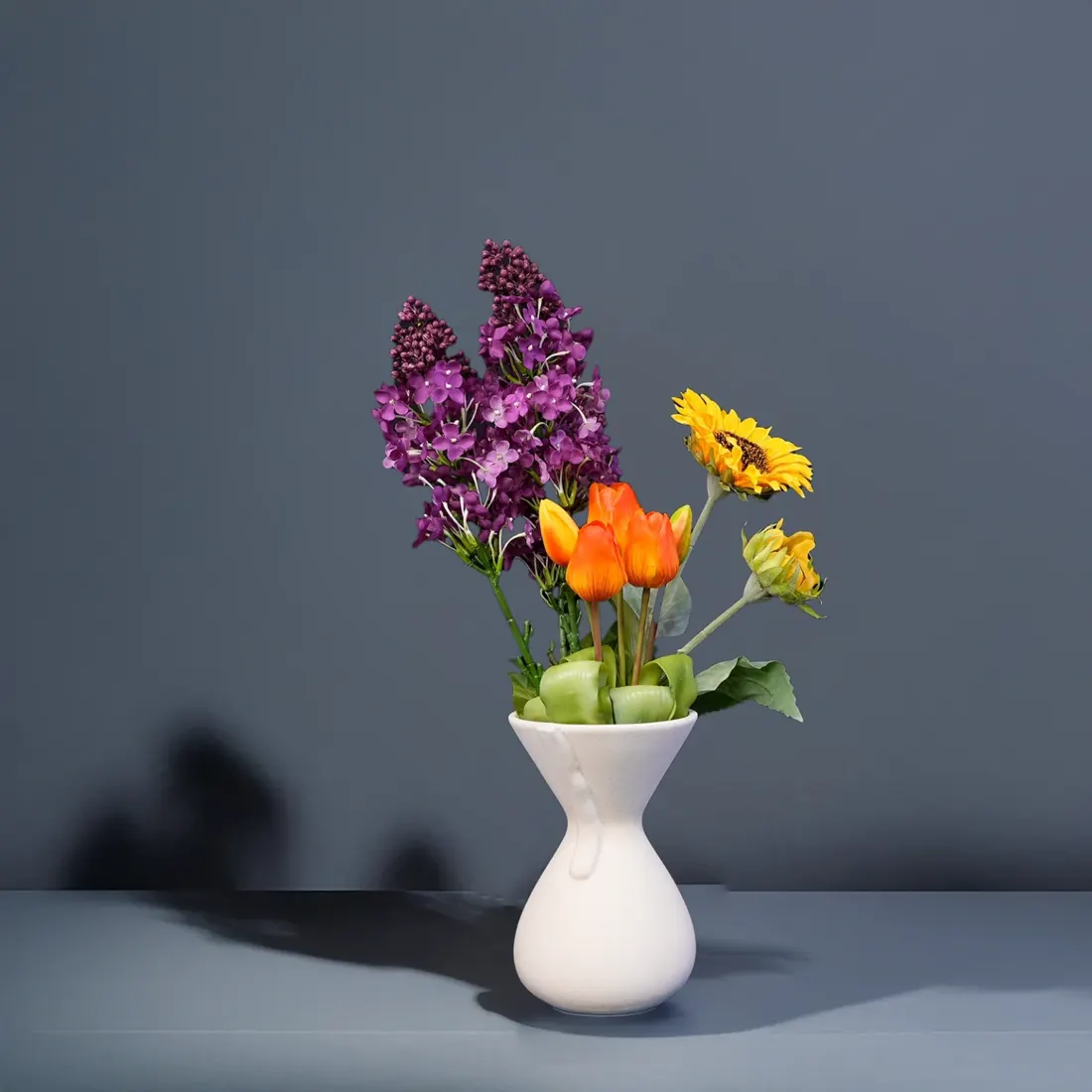
The waisted vase with a flared mouth
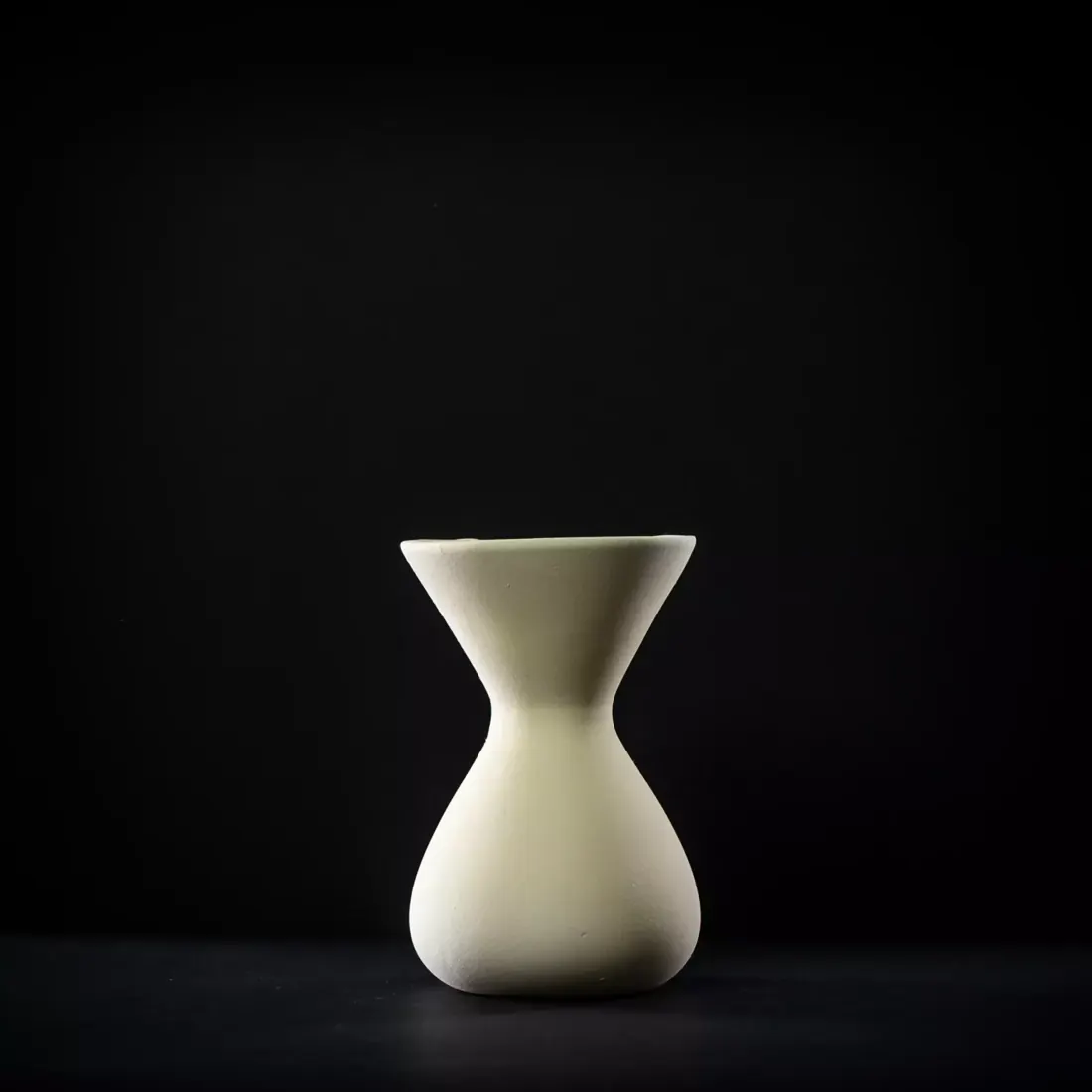
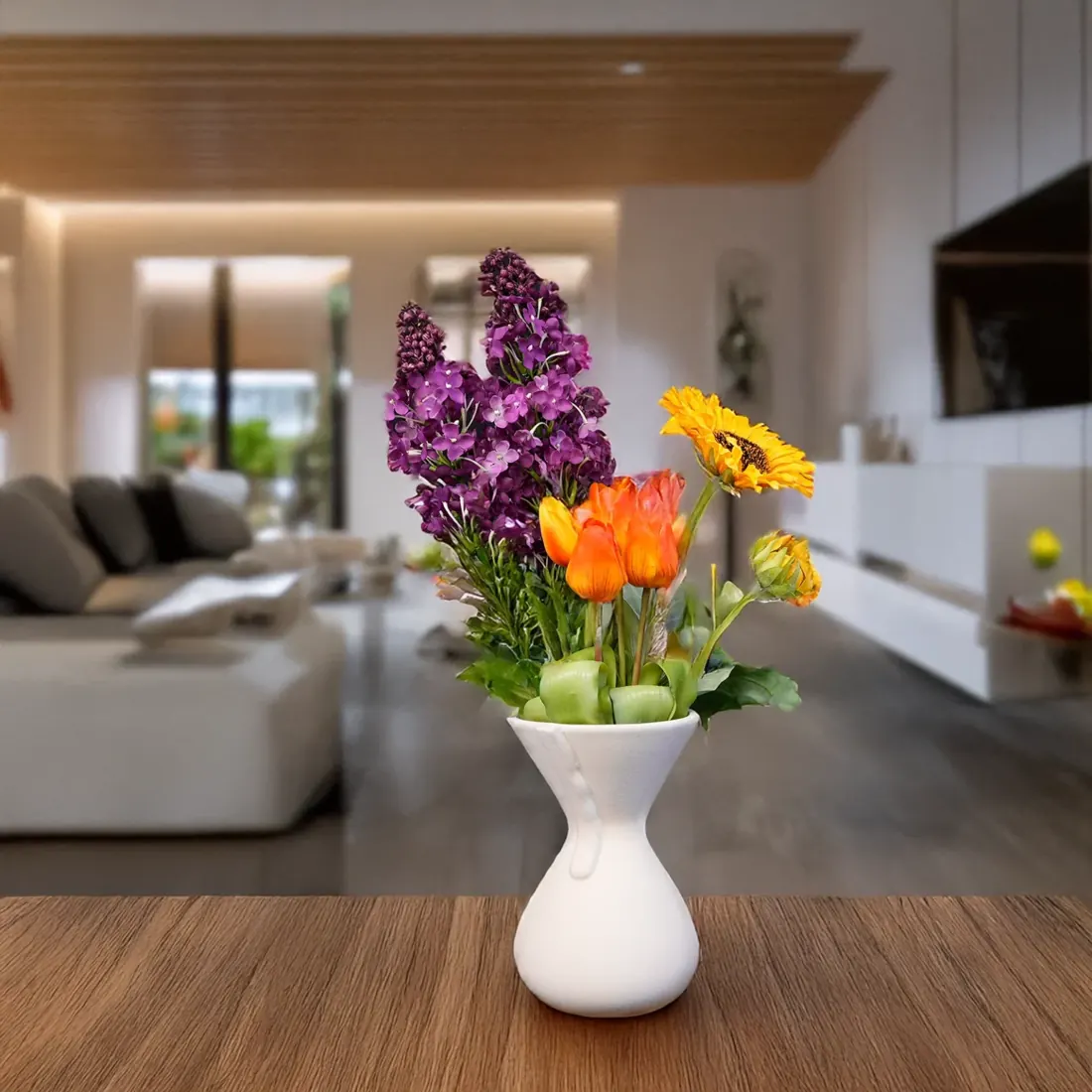
It narrows in the middle and opens at the top, like an hourglass. The waist gathers the stems, and the wide mouth lets the flowers spread out.
Which flowers: wildflower bunches, mixed flowers, freesias, seasonal mixes, a bouquet you want to look “spontaneous”.
The Hecate vase, in matt cream, is 21 cm tall with a 13.5 cm opening. It's the kind of vase where you put the bouquet in just as you received it and it looks as if you arranged it with care.
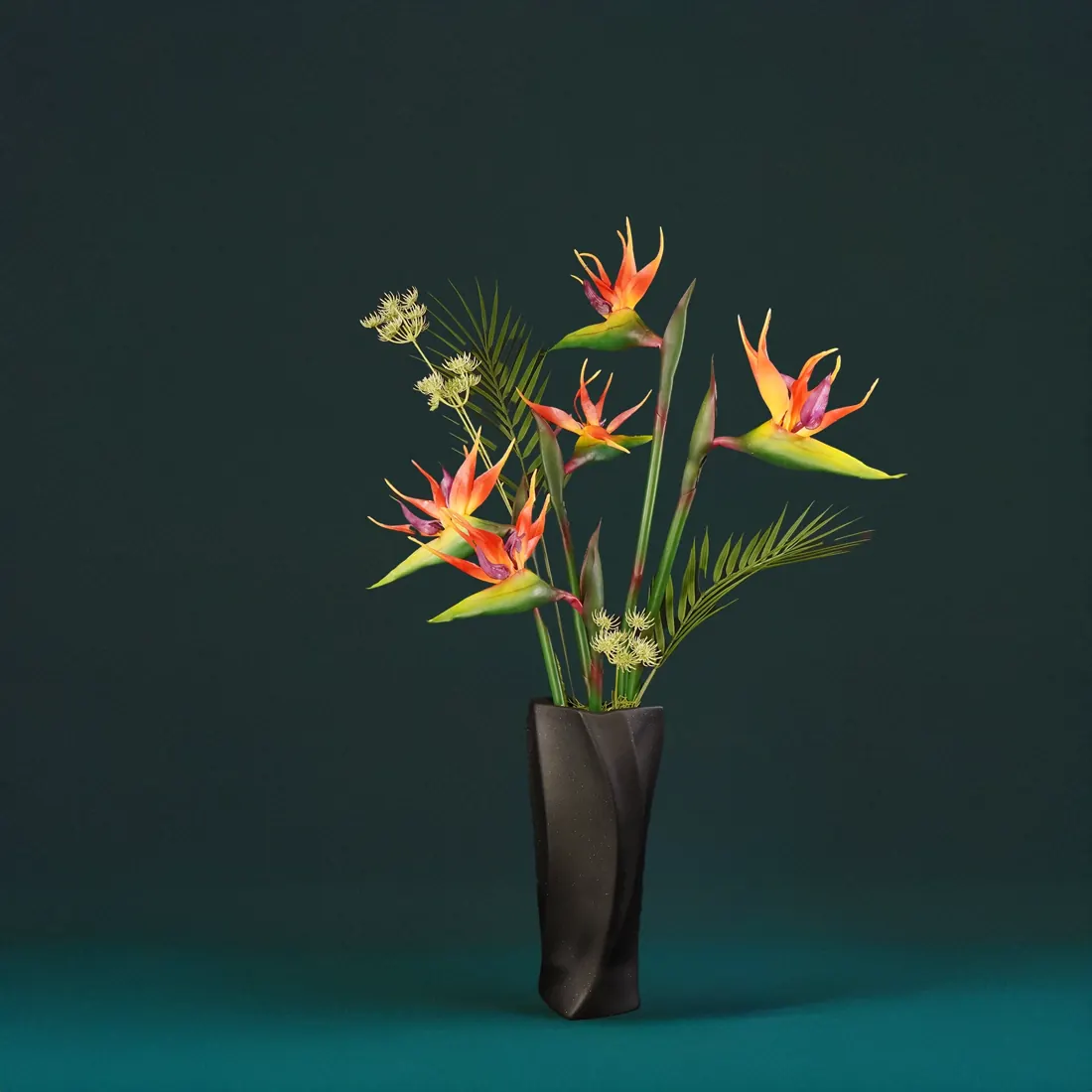
The tall, slim vase (bud vase)
Slender, with a very small mouth. It's also called a bud vase or soliflore, a vase for a single flower.
Which flowers: a single rose, a tulip, a cut orchid, a sprig of mimosa or cotton, a stem of ornamental grass.
It's the calmest shape. On a bedside table, on a desk, by a window. The Eirene set has two sculptural vases, 18 and 20.5 cm tall, with an opening of just 2.5 cm. One stem, one line, that's all. If you like this way of working with few flowers, also read our guide to ikebana.
The square or cube vase
Straight lines, corners, a graphic presence. It looks modern and stable.
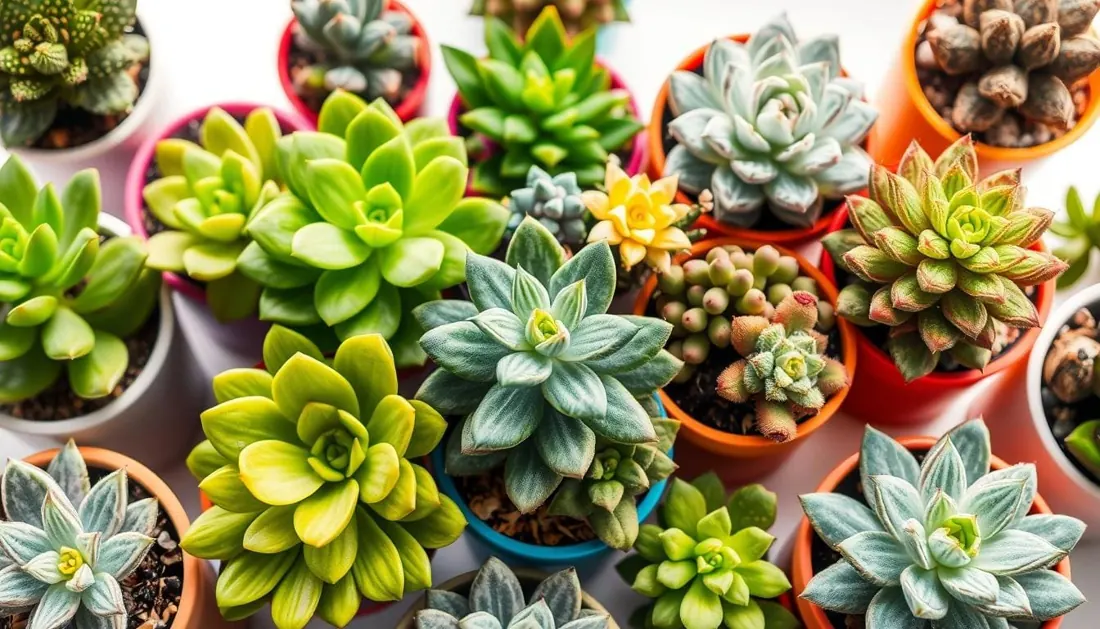
Which flowers: low, compact arrangements, short-cut flower heads, hydrangeas, moss, succulents or small potted plants.
The La vie en rose set combines a 27 cm tall vase with two low planters, all with raised roses. The vase holds a long stem, the planters hold something small and green.
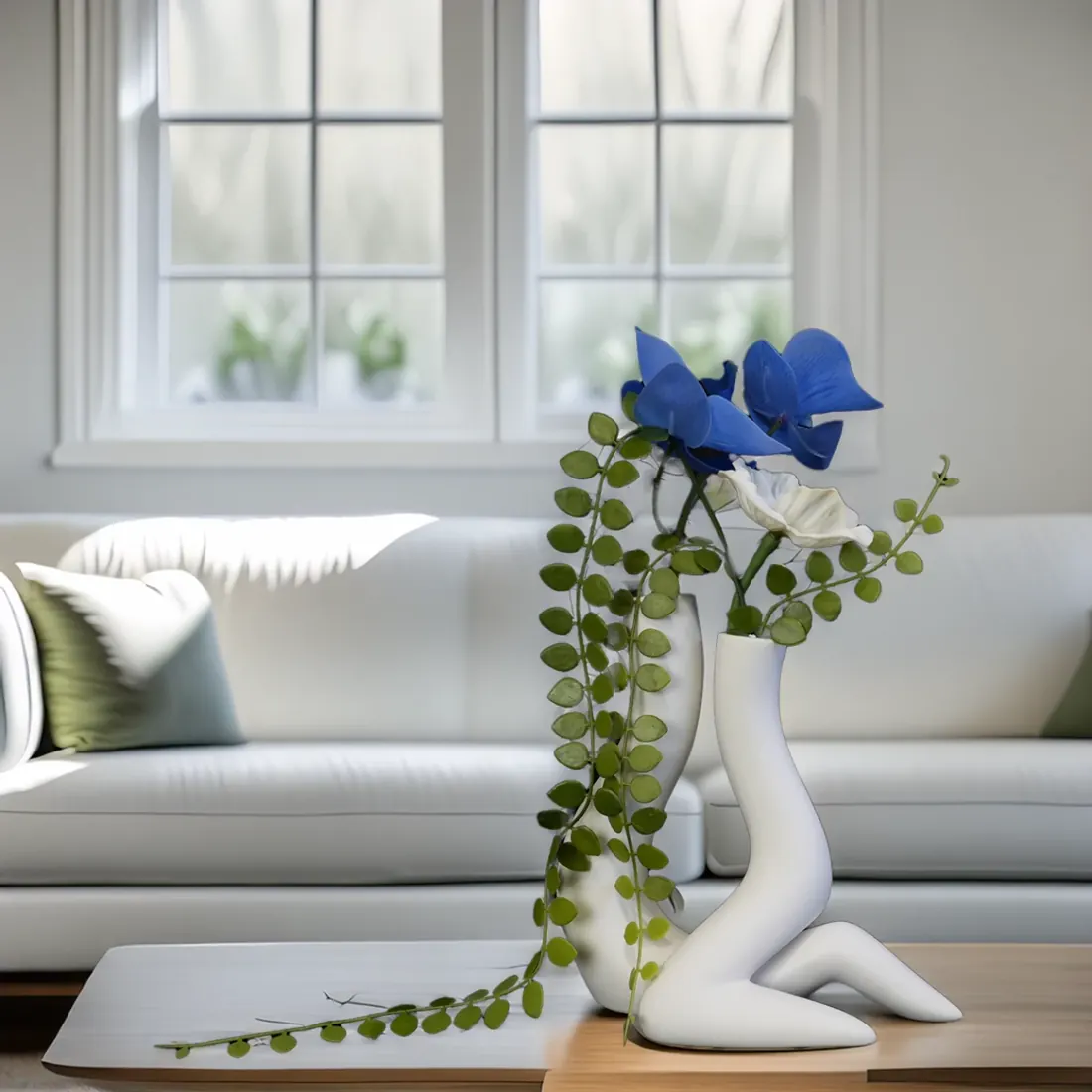
The asymmetric, sculptural vase
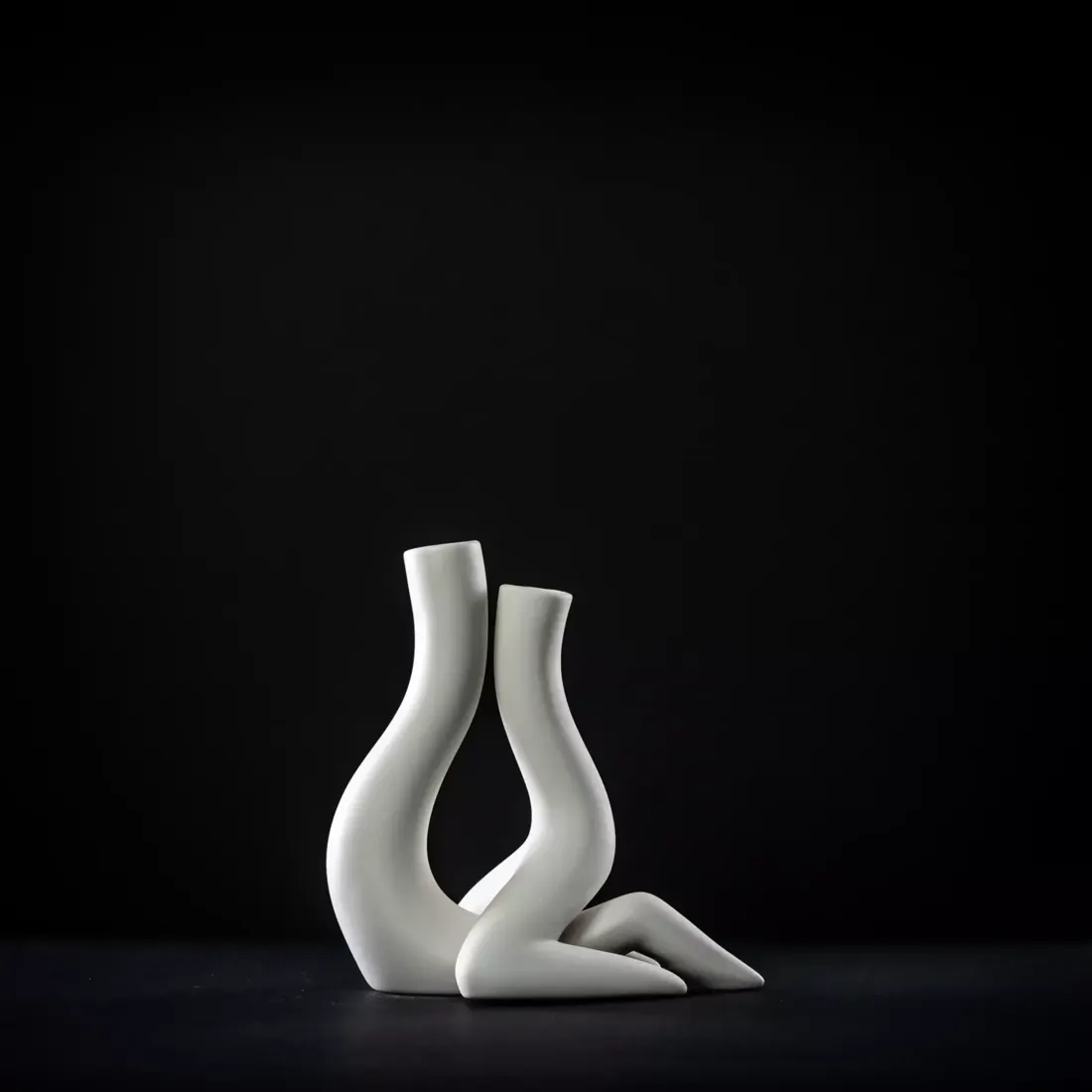
Slanted edges, unexpected curves, openings. These vases are already a composition.
Which flowers: very few. Branches, flowering twigs, a single large stem, dried flowers. Let the shape speak.
The Nyx L vase, 35 cm tall, has a 10 cm opening and white with gold leaf. A few magnolia or cherry blossom branches are enough.
The amphora or narrow-necked vase
A wider body at the bottom and a neck that narrows at the top. An old shape with a classic feel.
Which flowers: a few long stems that fan out above the neck: branches, gladioli, tall wildflowers.
Flowers for a tall vase
A tall vase calls for flowers to match. Short stems sink into it and get lost. Look for:
- branches: eucalyptus, willow, cherry or apple blossom in spring, magnolia branches;
- long-stemmed flowers: gladioli, delphinium, lilies, long-stemmed roses, calla lilies;
- dried elements: pampas grass, dried branches, which don't need water.
Leave about a third of the stem in the vase and the rest above it. If the vase is light and the branches are heavy, put a few pebbles at the bottom so it doesn't tip.
A bouquet of roses in a vase
Roses are the most gifted flowers and deserve to look their best. A few simple steps:
- Choose the vase to suit the bouquet. A tight bouquet of many stems sits well in a cylinder or rounded vase with a medium to wide mouth, where the stems aren't crushed. A single rose goes in a bud vase.
- The right height. The vase should support about half the length of the stems. That way the flower heads stay upright and don't droop.
- Cut the stems at an angle, with a sharp knife or scissors, a few centimetres shorter.
- Remove the leaves that would stay under water. Leaves in water rot and cloud it.
- Change the water every day or two and trim the stems a little again.
For everything to do with vase water and the longest-lasting flowers, we wrote a separate guide: how to keep flowers fresh in a vase.
Frequently asked questions
Which vase shape is the most versatile?
A medium-height cylinder vase with a mouth of 5 to 10 cm. It takes a small bouquet, a few long stems or even a single stem. If you have only one vase at home, choose this one.
Which flowers go in a tall vase?
Long-stemmed flowers such as gladioli, lilies, delphinium or long roses, and branches: eucalyptus, willow, cherry blossom. Pampas grass and dried branches look lovely even without water. Leave about a third of the stem in the vase so the arrangement looks light.
Which vase should I put a bouquet of roses in?
A bouquet of several stems sits well in a cylinder or rounded vase with a medium to wide mouth. The vase should support about half the length of the stems so the flowers stand upright. For a single rose, choose a narrow bud vase.
How do I stop flowers falling over in a wide-mouthed vase?
Stick a few strips of clear tape across the mouth of the vase in a grid. Each stem goes into one square and stays upright. You can also use crossed green twigs inside as a natural support.
Which flowers suit a round vase?
Flowers with large, full heads: peonies, hydrangeas, garden roses, ranunculus. The round shape of the vase continues the round shape of the bouquet. Remember that hydrangeas drink a lot of water, so check the level daily.
Can I put dried flowers in any vase shape?
Yes, and dried flowers let you choose purely on looks, without worrying about water. Tall and sculptural vases show them off best. Just keep them out of direct sunlight and away from damp so they keep their colour.
Now that you know which shape each flower asks for, take another look at your bouquet. Maybe its vase is already on the shelf. And if you're still looking for it, it's waiting among our porcelain vases and vase sets.