Guide · 8 minute read
What to put in vase water so your flowers last longer
What to add to the water, how to cut the stems and where to keep the vase, so your bouquet stays fresh for as many days as possible.
Wondering what to put in vase water so your flowers last? The best answer is the sachet of flower food that often comes taped to the bouquet. Clean water, a washed vase and freshly cut stems matter just as much. With a few simple habits, your bouquet stays alive and fragrant for longer.
Below you'll find what works, what helps only a little and what is more of a myth.
What to put in vase water so flowers last
The flower food sachet
The small sachet that comes with the bouquet isn't just part of the packaging. It usually contains three things cut flowers need:
- sugar, as food, because the flower no longer gets anything from its roots;
- an acidifier, which helps the stem draw up water more easily;
- a substance that slows down bacteria, so the water stays clear for longer.
Dissolve it in the amount of water written on the sachet. Too strong or too weak, and it no longer works properly. If you got two sachets, keep the second one for when you change the water.
Flower food is also sold separately at florists, and it's the safest choice if you want your flowers to last.
Kitchen remedies: what helps and what's a myth
There are plenty of tricks for flowers in a vase online. Some make sense, others don't. Here is the short, honest version.
Sugar. Sugar in vase water feeds the flowers, but it also feeds the bacteria in the water. Used on its own, it makes the water cloudy faster, and the bacteria block the channels the stem drinks through. It can help a little only if you combine it with something acidic and change the water often.
Vinegar or lemon juice. A few drops make the water slightly acidic. Together with a little sugar, they partly copy what the sachet does. It's an emergency fix, not a miracle. Don't overdo it, because too much acid can do more harm than good.
Aspirin. One of the most common tips. At best, the effect is small and unconvincing. Don't rely on it.
A copper coin. The idea was that copper stops bacteria. In practice, a coin in a vase doesn't do much. It's a charming myth.
The verdict? The food sachet does the most. If you don't have one, fresh water changed often in a clean vase does more than any trick.
How to keep flowers fresh in a vase: the steps that matter
1. Start with a clean vase
Bacteria left over from the last bouquet go straight into the new water. Wash the vase with warm water and washing-up liquid, with a brush if the neck is narrow, and rinse it well. It sounds like a detail, but it's one of the most important ones.
2. Cut the stems at an angle
Before putting the flowers in water, cut 2-3 centimetres off each stem at an angle, with a sharp knife or sharp scissors. An angled cut leaves a larger surface for the flower to drink through and stops the stem from sitting flat on the bottom of the vase.
Blunt scissors crush the stem and close its channels. It's worth sharpening them or using a knife.
3. Remove leaves that would sit in the water
Leaves below the waterline rot quickly and cloud the water. Remove all of them. Keep only the leaves above, which make the bouquet look alive.
4. Put the flowers in water straight away
After cutting, the stem starts to seal itself. Put the flowers in the vase as quickly as you can. For most flowers, room-temperature water is best.
5. Change the water often
Ideally every one or two days. When you change the water, rinse the vase too and trim the stems a little again. If the water is cloudy or smells, it's a sign it should have been changed long ago.
6. Choose the right spot
Flowers last much longer in a cool place, away from:
- direct sunlight, which warms the water and speeds up wilting;
- radiators, the TV or other sources of heat;
- strong draughts;
- fruit. Apples, bananas and other ripe fruit release ethylene, a gas that makes flowers age faster. Don't put the vase next to the fruit bowl.
A little florist's secret: at night, move the vase to the coolest room in the house.
The longest-lasting flowers in a vase
Some flowers are simply more patient. If you want a bouquet that lasts, here are a few good choices:
- Chrysanthemums. Among the longest-lasting flowers in a vase. With the water changed often, they can stay beautiful for two weeks or more.
- Carnations. Modest, but very durable.
- Alstroemeria. Delicate to look at, surprisingly tough.
- Lilies. The buds open one after another, so the bouquet renews itself. Remove the pollen-covered anthers so they don't stain the petals and tablecloths.
- Cut orchids. Elegant and long-lasting.
Which flowers last the shortest? Usually the very delicate ones, like poppies or peonies that are already fully open. They're gorgeous, but fleeting. And that is a kind of beauty too.
A bouquet of roses in a vase
Roses need a little extra attention.
- Remove the lower leaves and any thorns that would sit in the water.
- Cut the stems at an angle with a sharp blade.
- Choose a tall vase that supports long stems, with a mouth wide enough for the whole bouquet.
- Change the water often and trim the stems every few days.
Sometimes a rose bows its head after a day or two, even though the petals look fine. Usually an air bubble is blocking the stem just below the flower. You can try trimming a few centimetres off the stem, ideally while holding it under water, and putting it in fresh water. It doesn't always work, but it's worth a try.
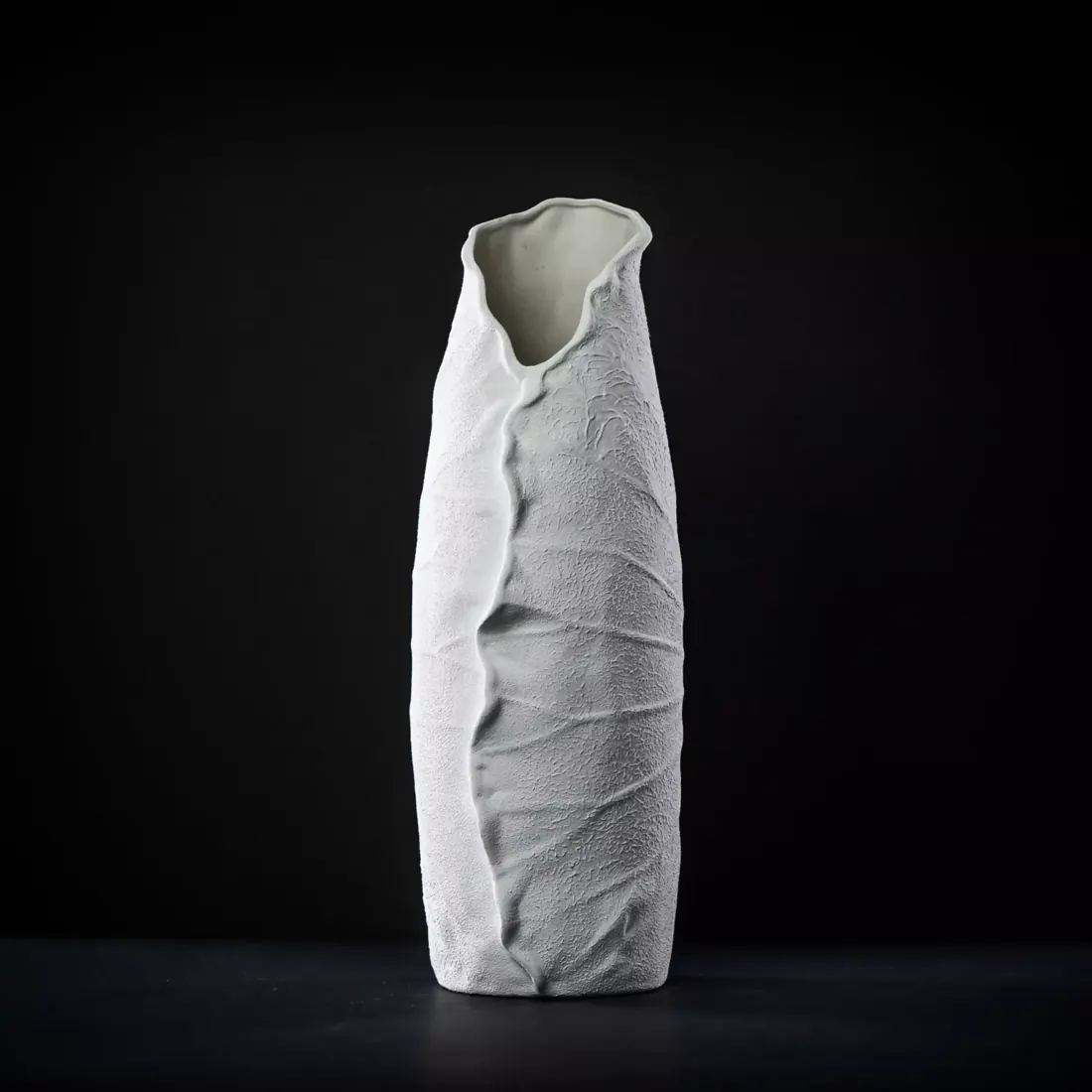
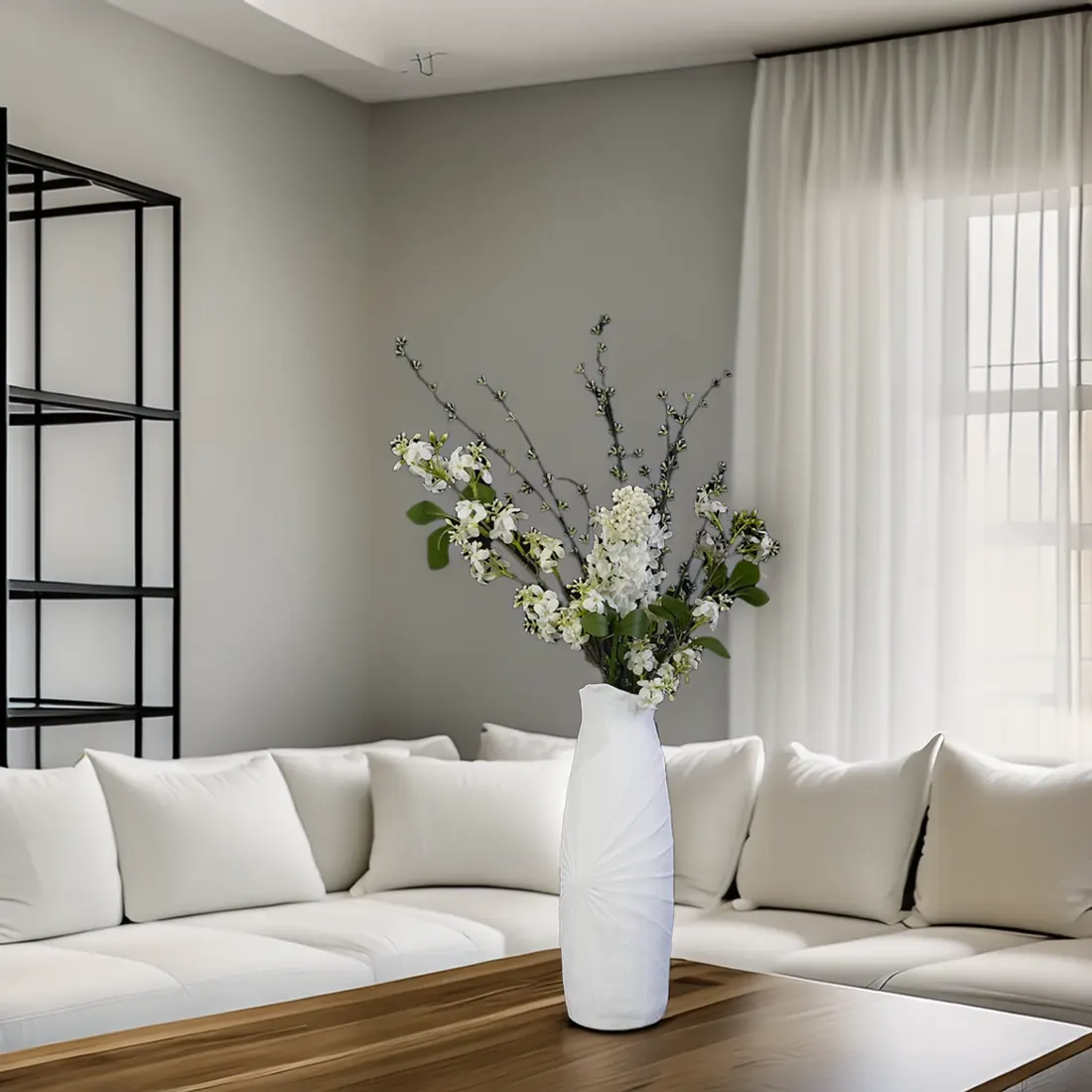
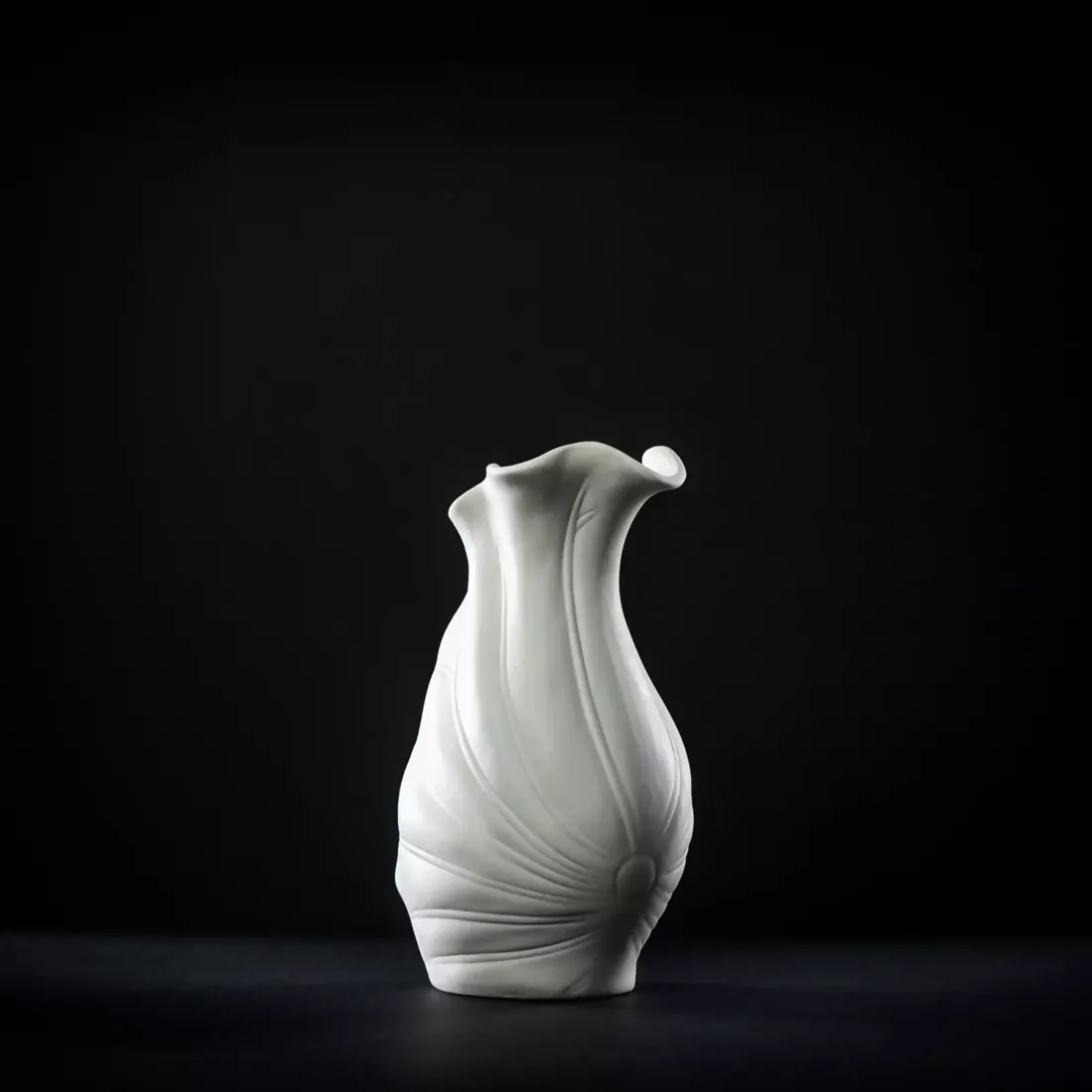
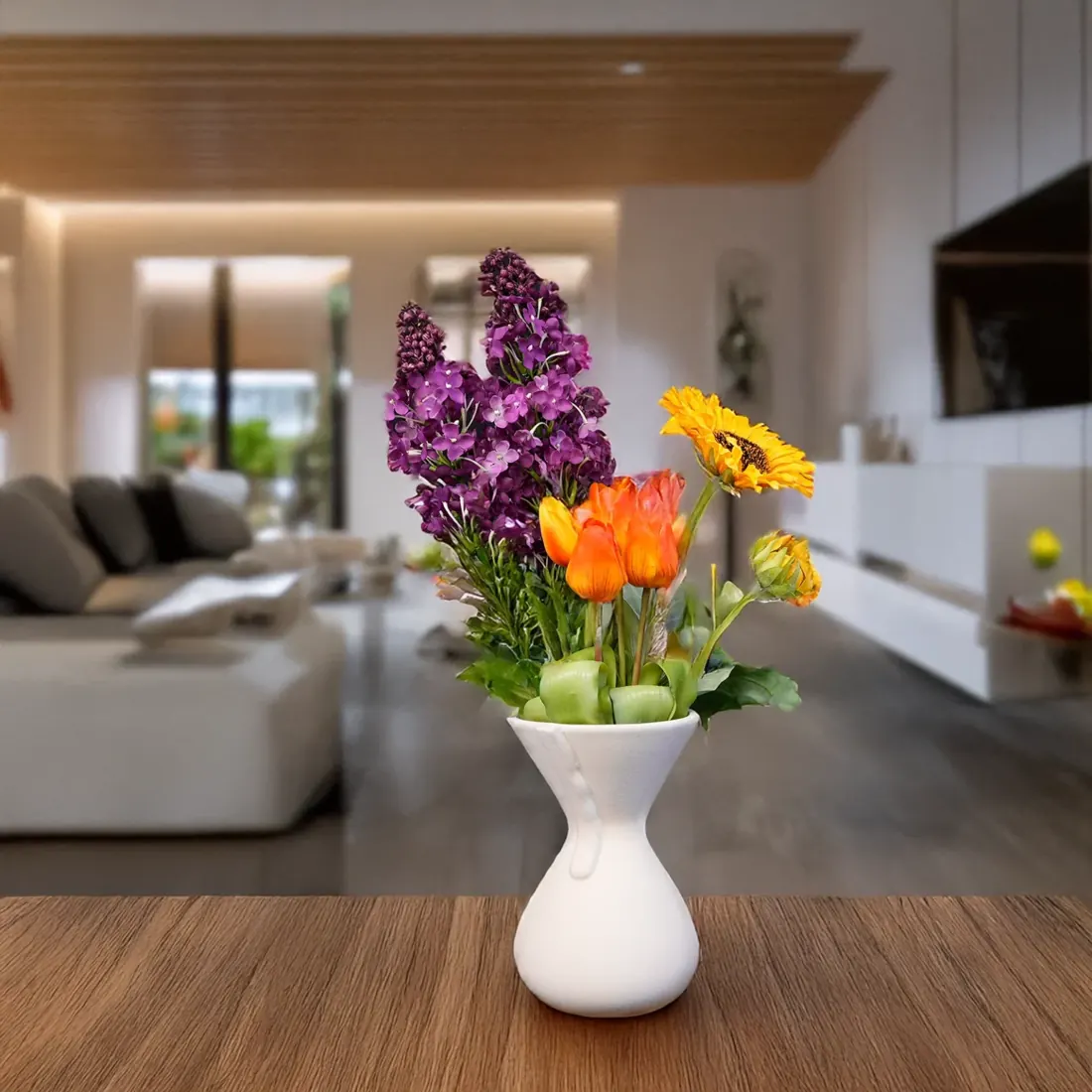
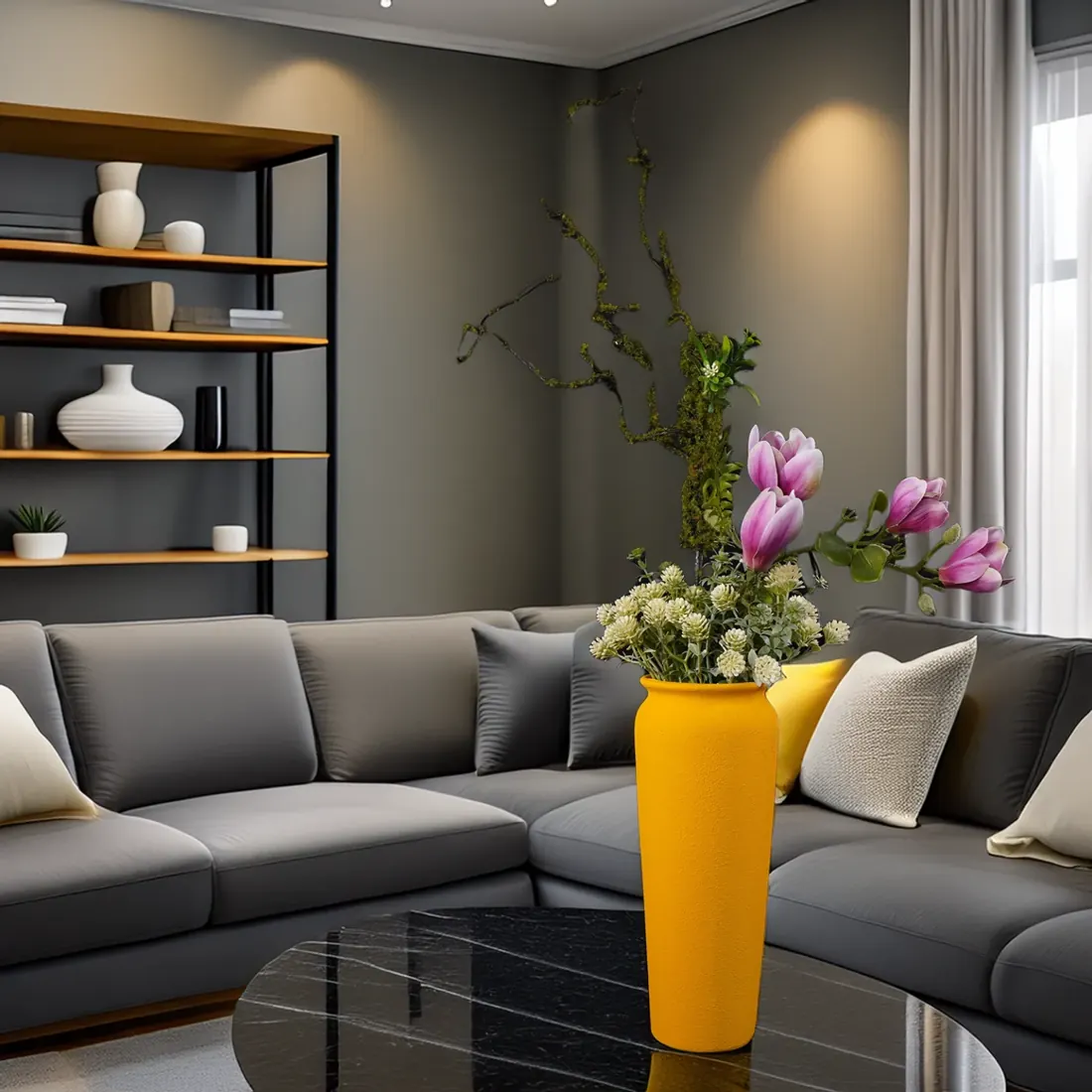
For a generous bouquet of roses, a tall, stable vase makes all the difference. The Nyx XL vase, in white, is 37 centimetres tall with an 11-centimetre opening. The Hera vase, also white, is 25 centimetres tall with the same 11-centimetre opening, suited to a shorter bouquet.
Tulips in a vase
Tulips have a few habits of their own that are good to know.
- They keep growing after they've been cut. Sometimes by a good few centimetres.
- They turn towards the light, so the stems curve differently every day.
- They prefer cold water, and not too much of it. A few centimetres of water is enough.
A tall vase with straight sides supports them and lets them curve gracefully over the rim. If you want them to stand straighter, turn the vase once a day.
One thing to remember: daffodils release a sap that can shorten the life of other flowers in the same vase, tulips included. If you want to combine them, keep the daffodils separate for a few hours after cutting, then put them together without trimming them again.
Wilted flowers in a vase: can you still save them?
Sometimes yes, sometimes no. It depends on how far gone the flower is.
- Soft stems, petals still lovely. Trim the stems, change the water, add flower food and leave the flowers somewhere cool for a few hours. Many of them recover.
- Wilted hydrangeas. They have an unusual habit: they also drink through their petals. You can submerge the flower head in cold water for a while, then put it back in the vase after trimming the stem.
- Dry, brown petals. There's no way back here. Remove the faded flowers so they don't speed up the wilting of the others, and enjoy what is left.
If only two or three beautiful flowers are left in the bouquet, move them to a smaller vase. A bouquet that gets smaller can become a new, airier arrangement. You'll find inspiration in our guide to ikebana, where two stems are enough.
Which vase helps flowers last
A vase isn't just decoration. Its shape directly affects how long the flowers last.
- The height should support roughly a third to a half of the stems' length.
- The mouth of the vase should let the flowers sit without crushing each other. Crowded stems drink with difficulty and wilt sooner.
- The inside should be easy to wash. Glazed porcelain cleans easily and doesn't hold on to smells.
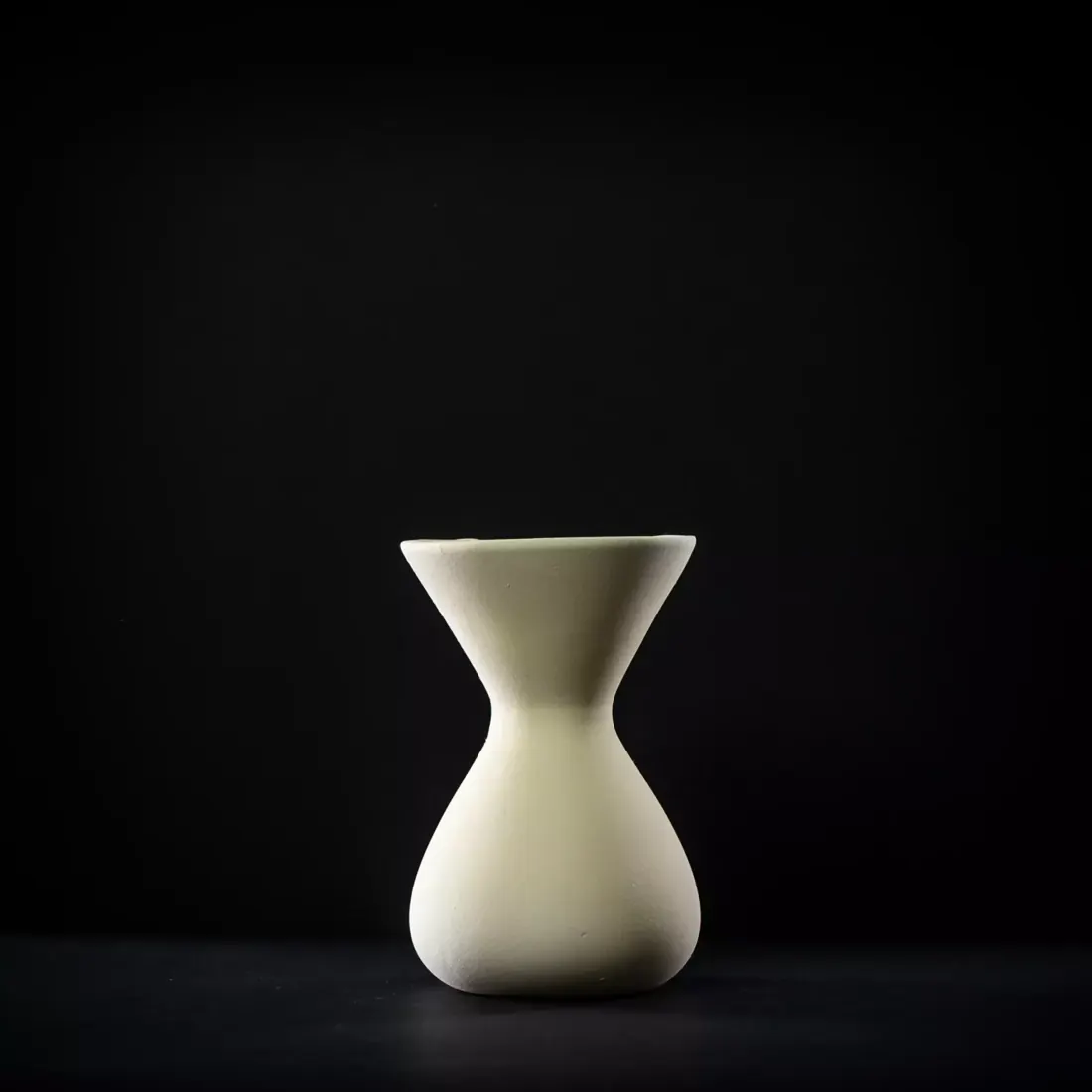
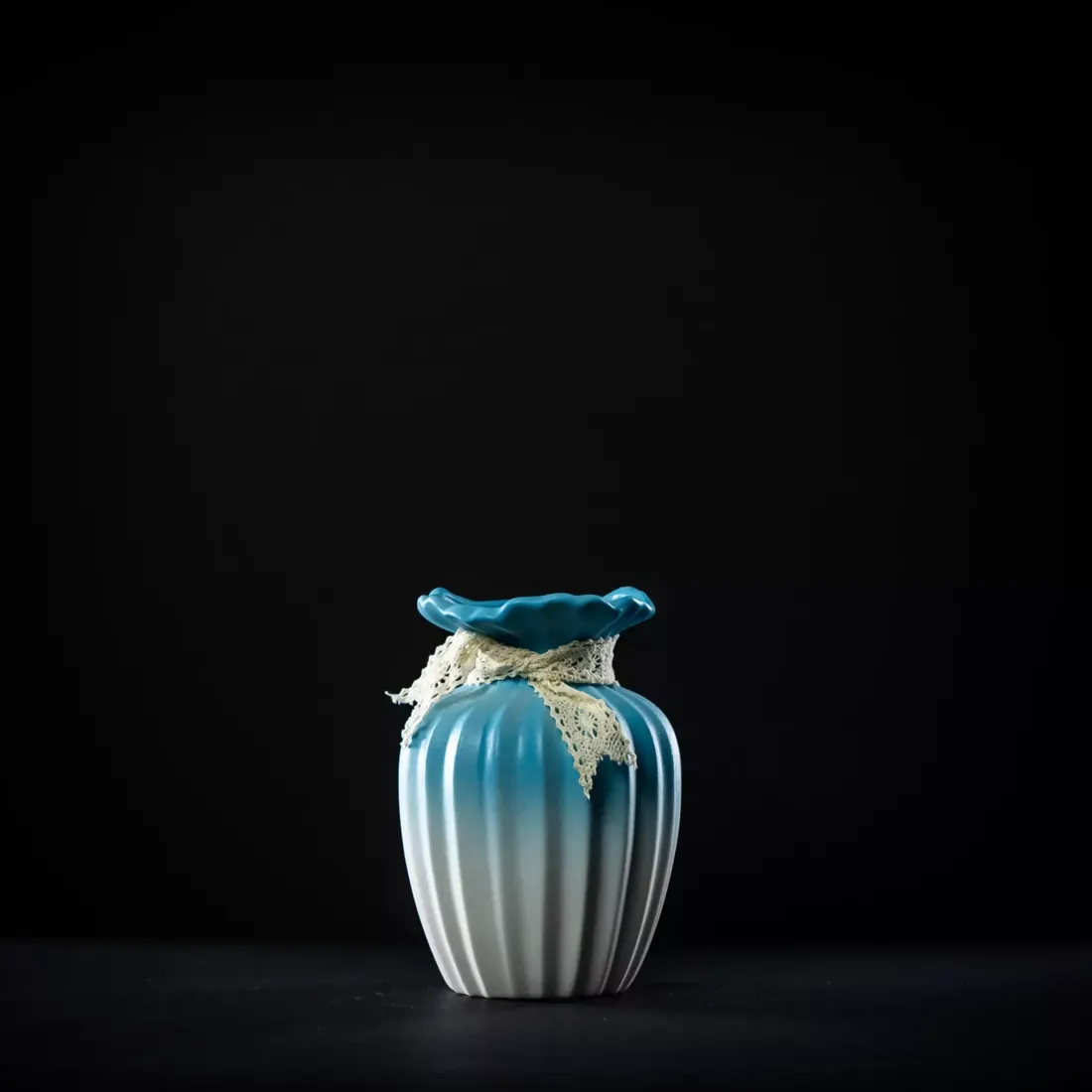
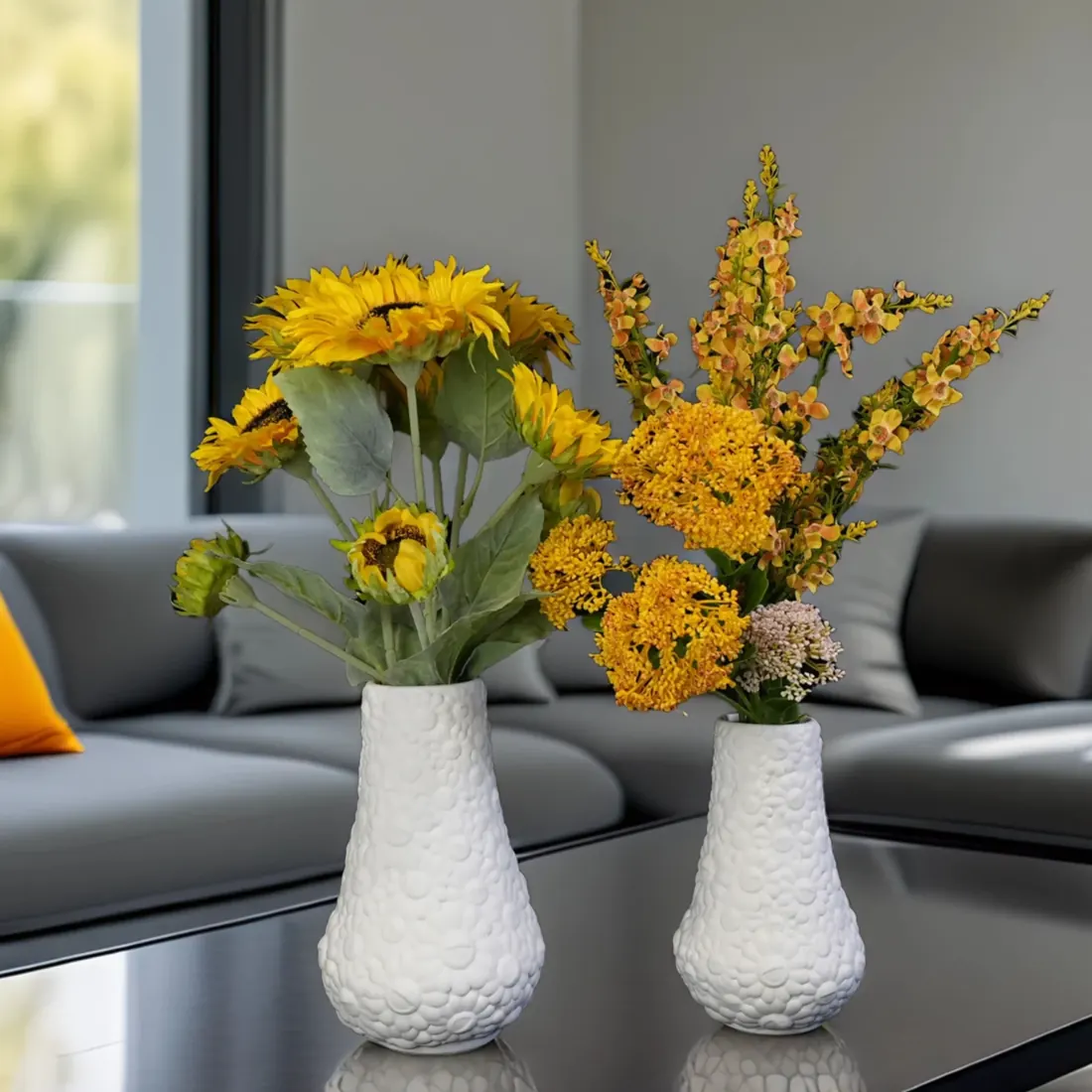
For full bouquets, a wide-mouthed vase like Hecate, in matt cream, with a 13.5-centimetre opening and a height of 21 centimetres, lets the flowers spread out naturally. For shorter flowers, like tulips in a small bouquet, the Thetis vase, in a blue-to-white gradient, 18 centimetres tall with an 11-centimetre opening, keeps them close together. If you'd like help choosing between shapes, our guide to vase shapes is waiting for you.
Frequently asked questions
What should you put in vase water so flowers last?
The flower food sachet works best, dissolved in the amount of water stated. It contains food, an acidifier and something that slows down bacteria. Without a sachet, fresh water changed often and a clean vase do the most.
Does sugar help flowers in a vase?
A little, and only under certain conditions. Sugar feeds the flowers, but it also feeds the bacteria in the water, which cloud the water and block the stems. If you use it, add a few drops of vinegar or lemon juice too and change the water often.
How often should I change the water for flowers?
Ideally every one or two days. When you change the water, rinse the vase and trim the stems a little. Cloudy or smelly water is a clear sign it should have been changed sooner.
Which flowers last longest in a vase?
Chrysanthemums, carnations, alstroemeria, lilies and cut orchids are among the longest-lasting. With good care, many of them stay beautiful for more than a week. Very delicate flowers, like poppies, are more fleeting.
Why do flowers wilt quickly in a vase?
The most common causes are bacteria in the water, stems that weren't freshly cut, heat and direct sunlight. Fruit nearby also speeds up wilting. Sort these out and your bouquet will last visibly longer.
Does aspirin help in flower water?
It's a very common tip, but the effect is small and unconvincing. Don't rely on aspirin to save a bouquet. The food from the sachet and clean water do much more.
Fresh flowers deserve a vase to shine in. Have a look at our porcelain vases and vase sets and choose the shape that suits your favourite flowers.